This article explains exactly what to do when your flight is delayed or canceled: steps to take before leaving for the airport, actions to prioritize at the airport, tips for rebooking, and how to handle overnight disruptions. We cover refund rights, alternative booking strategies, and advice on dealing with airline staff for the best outcome.
Check Your Flight Before Leaving Home
Always verify your flight status before you set out for the airport. Most cancellations and significant delays are known well in advance. Use the airline’s app or sign up for text alerts when booking. You can also search your flight number directly in Google or check sites like FlightAware for countrywide disruption trends.
- Set up free text or app notifications for your flight as soon as you book.
- Check your flight’s real-time status online or via Google search.
- Review airline waiver offers for weather or operational disruptions. Early action gives you better alternate options.
- If you suspect delays, avoid layovers in your booking to minimize complications.

If You’re Already at the Airport
Act quickly if you discover your flight is delayed or canceled after arriving at the airport. Speed and resourcefulness can make all the difference.
- Immediately head to the airline’s service desk—first come, first served is often the rule.
- Call the airline’s customer service while you wait in line. Sometimes call centers resolve issues faster than in-person staff during busy periods.
- Try self-service kiosks for faster rebooking, if available.
- Contact the airline on social media if you can’t get through by phone.
- Consider calling the airline’s international customer service line, which may have shorter wait times.
Dealing with Airline Staff
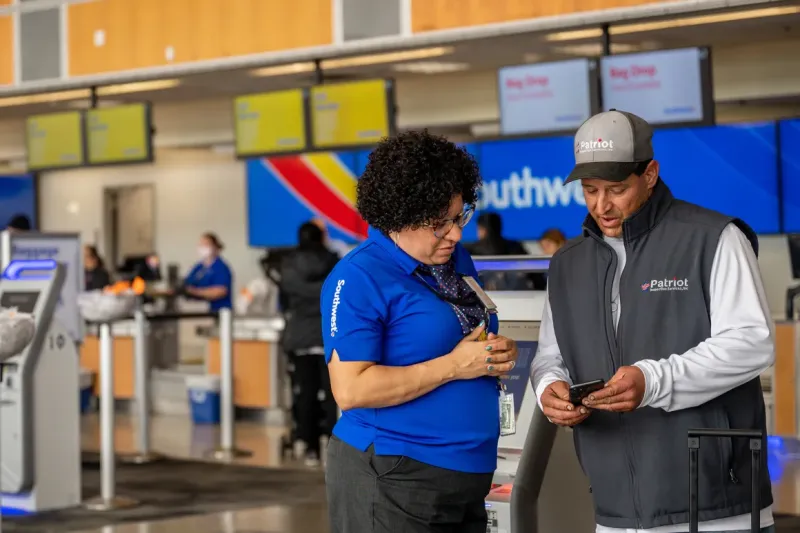
Your attitude matters. Airline agents have the most power to help you—treat them with patience and respect. Come prepared with alternate flight options based on your research. Being polite and offering solutions increases your chances of being rebooked quickly.
Refunds, Rebooking, and Your Rights
Booking directly with the airline gives you the fastest resolution for refunds or changes. If you booked through a third-party website, all adjustments must go through them.
- For U.S. travelers: Airlines must now automatically issue cash refunds for significant delays or cancellations, even if you don’t request one.
- In the UK and EU, travelers may be entitled to food, accommodation, and compensation under specific laws—always check the relevant authority’s site.
- Keep receipts for any extra expenses if you need to pay for meals or hotels yourself. Reasonable costs can often be claimed back.
- If your airline can’t help, interline agreements sometimes allow you to be rebooked on another carrier’s flight to your destination.
Using Frequent Flyer Miles and Rebooking Tricks
Frequent flyer programs can help when standard seats are gone. U.S. airlines now let you cancel mileage tickets for free—use miles to book alternate flights, but never book two flights on the same airline for the same itinerary, as duplicates may be canceled. Cancel any unused bookings promptly to restore your miles.
Stranded Overnight: Practical Survival
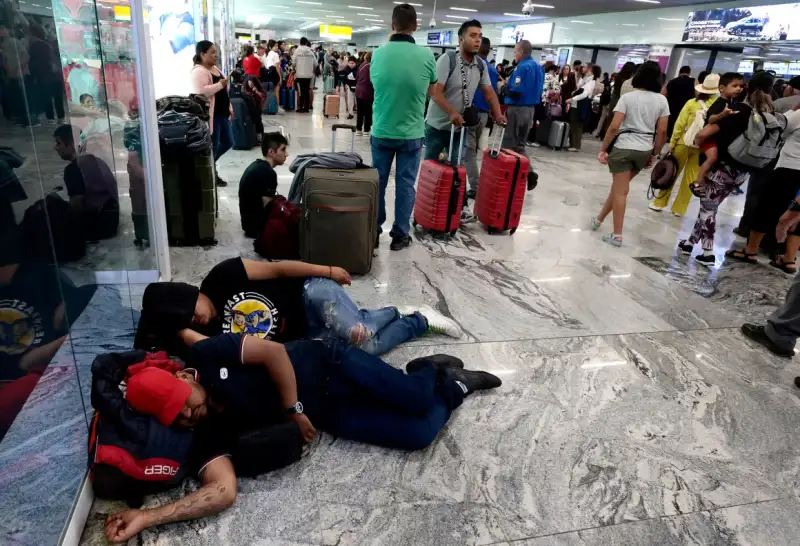
If you’re stuck overnight and not in your home city, understand your options and what you’re owed. In the U.S., airlines aren’t required by law to provide hotels, but many do for disruptions within their control. In Europe and the UK, stronger passenger rights apply.
- Book your flight with a credit card that offers travel protection. This may cover hotels, meals, and incidentals if your flight is canceled.
- Consider remaining at the airport if the delay is short—airport lounges can offer a quiet space, snacks, and power outlets.
- Check for available hotel rooms inside or near the airport if you need to stay overnight.
- Always put safety first—if the weather is severe, don’t attempt risky alternate travel by road.

Travel Insurance and Documentation
Buy travel insurance if possible; it typically covers costs incurred from extended delays or cancellations, provided you meet the waiting period requirements. Keep all your receipts for possible reimbursement—especially for food, transport, and accommodation.
What to Remember When Travel Plans Collapse
When flights fall apart, the most important things are acting quickly, staying informed, and keeping a cool head. Use all communication channels, prepare alternatives, and know your rights. Whether you’re chasing a refund or just hoping to get home, practical steps and a positive attitude can make all the difference.
“Honey attracts more flies than vinegar.” Even in chaos, patience and politeness give you a real advantage with airline staff and fellow travelers.