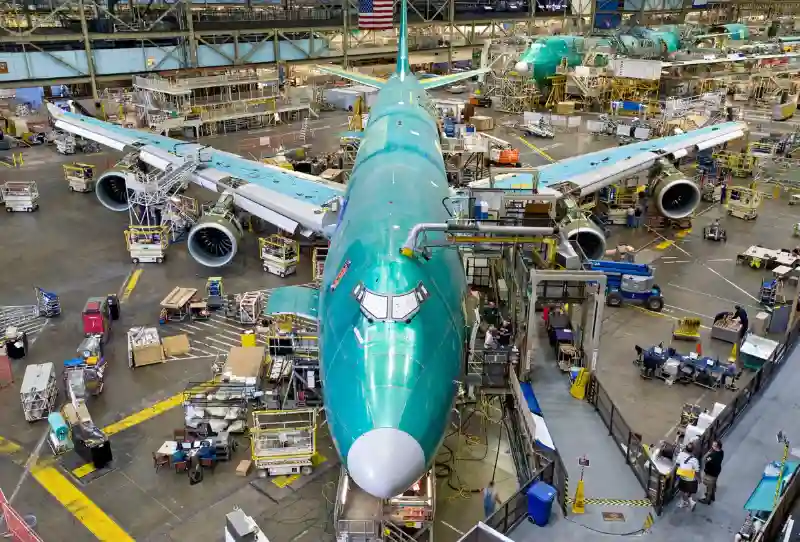

Double-decker passenger airplanes — the Boeing 747 and Airbus A380 — have become iconic symbols of modern air travel. These massive pieces of engineering seem to defy physics as they hang in the air during takeoff and landing. However, despite their grandeur, they are slowly becoming a thing of the past.
Perhaps it’s their whisper-quiet cabins, their spacious designs, or the luxury amenities such as shower suites and onboard bars that still draw people in. For aviation enthusiasts, flying on the upper deck or nose of these giants offers a thrilling experience. But, as popular as these planes are, the truth remains that their time may soon be over.
History of the Jumbo Jet
The Boeing 747, often referred to as the “Queen of the Skies,” ushered in a new era of air travel when it debuted over half a century ago. It played a significant role in making air travel more accessible to the public, transforming it into a commonplace mode of transportation. The Airbus A380, the world’s largest passenger plane, soon followed, pushing the boundaries of aviation even further.
However, the reality is that these massive aircraft have become too big and too costly for most airlines. As the world moves toward more fuel-efficient and smaller aircraft, the double-decker planes are facing an uncertain future. The pandemic has only accelerated this trend, with airlines like Air France grounding their A380s permanently.
The End of an Era
Both Boeing and Airbus have stopped producing double-decker planes, with Boeing halting the production of the 747 in 2022 and Airbus ending the production of the A380 in 2021. Consequently, the continued operation of these iconic planes depends entirely on the existing fleets already in service.
“The problem with the A380 is not necessarily its size, but its lack of efficiency,” explains Brian Sumers, an aviation expert. “Boeing recognized sooner than Airbus that the future of aviation would be centered around fuel-efficient single-deck jets with two engines.”
Airlines Still Flying Double-Deckers
Despite their impending retirement, several airlines continue to operate double-decker aircraft. These carriers are investing in upgrades and refreshed onboard amenities to maintain their appeal and provide an excellent passenger experience. Below are some of the airlines that still fly the Boeing 747 and Airbus A380, along with what makes their services stand out.
Air China
Air China operates nine Boeing 747s, and there are no plans to retire them anytime soon. The airline continues to offer this iconic aircraft to passengers, maintaining its legacy as one of the few airlines still flying the 747.
ANA (All Nippon Airways)
In 2020, ANA became the last new customer for the Airbus A380, adding three of these giants to its fleet. These aircraft exclusively fly between Tokyo and Honolulu, and passengers enjoy a modern first and business-class experience, as well as a unique Hawaiian-themed livery called “Flying Honu.”
Asiana Airlines
Asiana Airlines currently operates six A380s, and while the airline is set to merge with Korean Air in the near future, it’s uncertain what will happen to the A380s after the merger. These planes feature a lounge area on the upper deck where business class passengers can relax.
British Airways
British Airways operates 12 Airbus A380s and has announced plans to refurbish them starting in 2025. The carrier is focusing on upgrading its first-class suites and offering a new business-class experience, ensuring that these iconic planes remain in service for the foreseeable future.
Emirates
Emirates is the largest operator of the A380, with 116 of these aircraft in its fleet. The Dubai-based airline has become synonymous with the A380, offering ultra-luxurious private suites and a shower spa in first class, along with an onboard bar and lounge in business class. Emirates is also adding premium economy cabins to 67 of its A380s as part of a major retrofit.
Etihad Airways
Etihad Airways operates a fleet of six Airbus A380s, with a seventh reentering service later this year. The airline is known for its luxurious three-room suite in the sky, called The Residence, which offers a living room, bedroom, and private bathroom. Etihad also offers a top-tier first-class experience with an onboard bar and shower spa.
Korean Air
Korean Air operates both the Boeing 747 and Airbus A380. The airline offers modern cabins on the 747, with direct aisle access in business class. While both the 747 and A380 were scheduled for retirement by 2025, delays in new aircraft deliveries have extended their lifespans for a few more years.
Lufthansa
Lufthansa is another airline that continues to operate the Boeing 747. The airline is in the process of refurbishing its 747-8 aircraft, adding new first-class suites and a modern premium economy section. Additionally, Lufthansa has reintroduced eight of its A380s, with two more expected to join the fleet soon.
Qantas
Qantas has been refurbishing its fleet of Airbus A380s, adding updated business suites, a larger premium economy section, and a refreshed first-class product. The airline plans to keep the A380 flying until at least 2032, when it will be replaced by the Airbus A350.
Qatar Airways
Qatar Airways operates a fleet of eight Airbus A380s, which feature onboard bars and lounges. While the A380 doesn’t feature Qatar’s newest business-class product, the Qsuite, the airline has maintained its commitment to offering an exceptional experience for all passengers on these iconic aircraft.
Singapore Airlines
Singapore Airlines operates 12 Airbus A380s, offering one of the most luxurious first-class products in the world. Their first-class suites are akin to hotel rooms, with over 50 square feet of space, reclining armchairs, a separate bed, and sliding doors for privacy. The airline has no plans to retire the A380 anytime soon.
The Future of Double-Decker Planes
While double-decker planes such as the Boeing 747 and Airbus A380 have a storied history in aviation, their future remains uncertain. As more airlines shift towards smaller, more fuel-efficient single-deck aircraft, these massive giants of the skies are finding it harder to justify their high operational costs. However, there’s still a place for these planes in the skies, especially with the continued interest from premium travelers and airlines that emphasize luxury experiences.
The Airbus A380, for instance, continues to serve as the epitome of luxury travel for many passengers, offering unprecedented space and comfort. From private suites to onboard bars, it’s a flying experience like no other. Similarly, the Boeing 747 remains a favorite for many who appreciate its larger-than-life presence and history. Airlines like Emirates and Qatar Airways continue to make the most of these planes, investing in retrofits and ensuring their longevity in the competitive world of aviation.
The Legacy of the 747 and A380
Despite the inevitable shift to newer aircraft, the legacy of the 747 and A380 is undeniable. They revolutionized air travel, making long-haul flights more accessible to the masses while also introducing a level of luxury that had previously been unimaginable in commercial aviation. As these planes slowly phase out, they will be remembered for their size, their unique characteristics, and the iconic role they played in modern aviation.
In the meantime, passengers can still enjoy the experience of flying on these magnificent aircraft, as they continue to serve on select routes across the world. Whether you’re flying with Emirates’ opulent A380 or on a Boeing 747 with Lufthansa, the experience is sure to be unforgettable.
Will the Double-Deckers Make a Comeback?
While their future may seem bleak, there are those who still believe in the potential for double-decker planes to make a comeback. Airlines like Emirates and Singapore Airlines have shown that, with the right investment and a focus on luxury, these planes can continue to serve as flying palaces. Whether or not other airlines will follow suit remains to be seen, but for now, the Boeing 747 and Airbus A380 continue to fly high — albeit in fewer numbers.
As air travel continues to evolve, the double-decker plane may eventually become a rare sight in the sky, remembered by aviation enthusiasts and travelers who were fortunate enough to experience its grandeur. Until then, we’ll have these exceptional airlines to thank for keeping the dream of flying on a jumbo jet alive.