The Earth has just endured its hottest decade in recorded history — a sobering milestone that underscores the escalating impact of climate change. According to the World Meteorological Organization’s (WMO) latest State of the Global Climate report, the past 10 years have shattered temperature records, pushed critical ecosystems to the brink, and displaced millions of people worldwide.
2024 Becomes the Hottest Year Ever
Last year was officially the warmest since recordkeeping began 175 years ago, breaking the previous record set in 2023. For the first time, global average temperatures likely exceeded 1.5 degrees Celsius above pre-industrial levels — a symbolic threshold set by the Paris Agreement.
Carbon Emissions and El Niño Amplified Warming
The spike in global temperature was primarily driven by soaring levels of greenhouse gases — carbon dioxide, methane, and nitrous oxide — now at their highest concentrations in 800,000 years. A short-term El Niño pattern also contributed by warming the eastern Pacific Ocean, compounding the long-term warming trend.
According to the WMO, global warming is currently estimated to be between 1.34 and 1.41 degrees Celsius above the 1850–1900 average. UN Secretary-General António Guterres said staying below the 1.5°C threshold is still achievable, but it requires “urgent and bold leadership.”
Oceans Absorb the Heat — And the Consequences
As the planet heats up, oceans — which absorb roughly 90% of excess heat — are also warming at unprecedented rates. The past eight years have each set new records for ocean heat, with warming accelerating to more than twice the rate seen between 1950 and 2005.
Impacts on Marine Life and Weather Systems
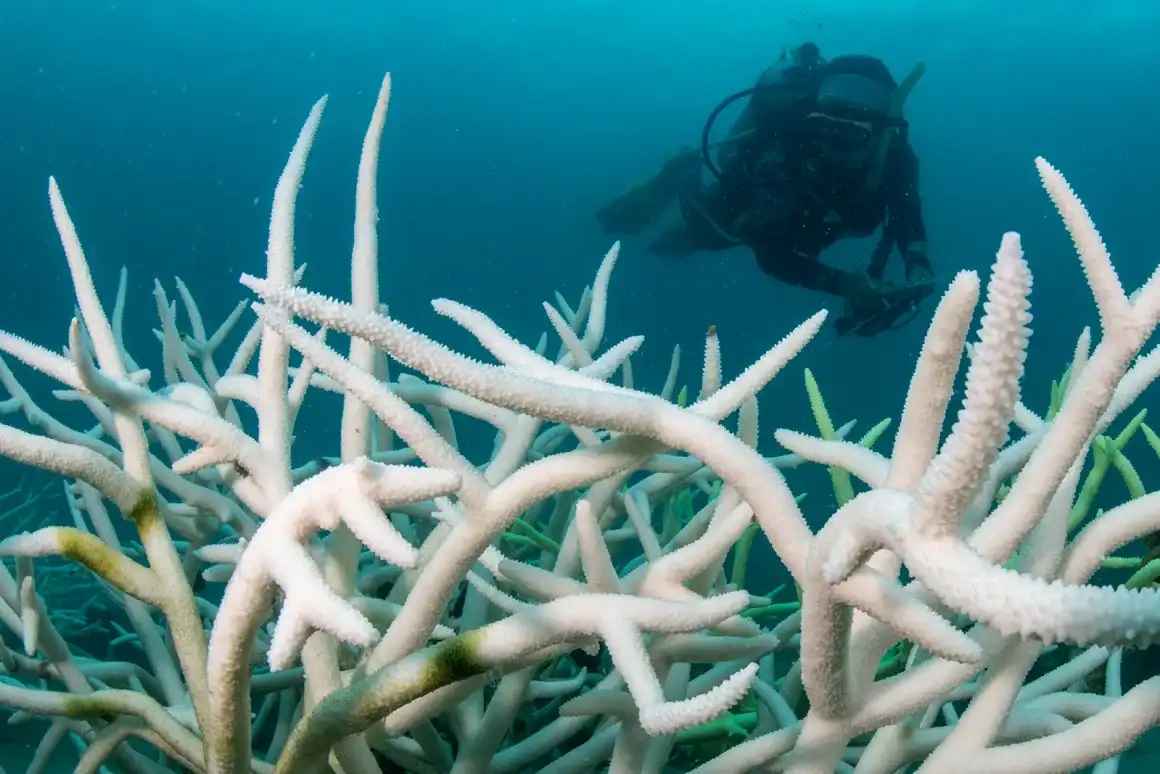
Hotter oceans have triggered widespread coral bleaching, intensified storms, and contributed to the rapid decline of sea ice. These warming seas also fuel tropical and subtropical cyclones, amplifying their destructiveness.
Sea Levels Rising at an Alarming Pace
The report reveals that the rate of sea-level rise has doubled since satellite measurements began in 1993. Between 2015 and 2024, the global sea level rose by 4.7 millimeters per year — compared to just 2.1 millimeters per year from 1993 to 2002.
Glacier Melt Is Accelerating
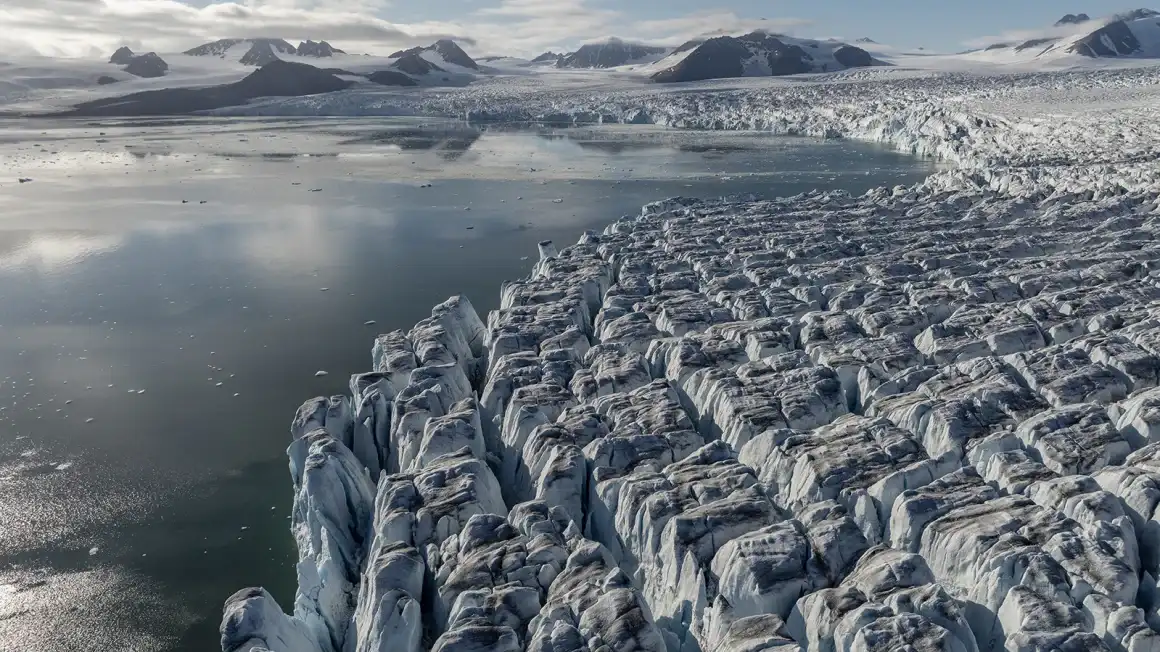
In addition to melting sea ice, glaciers have suffered their largest three-year loss on record since 2021. Particularly severe retreats were noted in Norway, Sweden, Svalbard, and the tropical Andes, contributing further to rising seas and threatening freshwater resources.
2024: A Year of Climate-Driven Displacement
Last year saw the highest number of climate-related displacements since 2008. Floods, cyclones, wildfires, and heatwaves forced tens of millions from their homes. In China alone, 15 million people were displaced due to catastrophic flooding.
Record-Breaking Heatwaves and Food Insecurity
In Saudi Arabia, pilgrims endured extreme heat reaching 50°C (122°F) during Hajj. Meanwhile, droughts and wildfires disrupted agriculture in multiple regions, leading to sharp increases in food insecurity. Eight countries reported at least one million more people facing acute hunger compared to the previous year.
Early-Warning Systems Can Save Lives — But Coverage Is Uneven
Despite the escalating risk, only half of the world’s countries have reliable early-warning systems for climate-related disasters. Celeste Saulo, WMO Secretary-General, emphasized that expanding these systems must be a global priority.
Scientists Warn: Net Zero Is Not Enough
Climate experts say incremental change is no longer adequate. Dr. Sarah Perkins-Kirkpatrick of Australian National University called for more aggressive action. “We need to stop hitting snooze on our alarm,” she said. “Climate change is real, it’s caused by us, and it’s accelerating.”
Dr. Linden Ashcroft of the University of Melbourne expressed frustration over repeated warnings falling on deaf ears. “I’m not sure what more we can do,” she said. “Unless we see real climate leadership from governments and businesses, I’ll be saying this again next year.”

What Must Happen Next
- Accelerate Emissions Reductions: Drastically cut greenhouse gas emissions to limit further warming.
- Expand Early-Warning Systems: Ensure global coverage to prevent loss of life and displacement.
- Protect Vulnerable Communities: Adapt infrastructure and provide support to those most at risk.
- Invest in Climate Resilience: Strengthen ecosystems and promote sustainable land use.
The WMO report paints a bleak picture — but also a clear one. The path forward requires courage, cooperation, and immediate action. The hottest decade in human history must be more than a record — it must be a turning point.