The American offshore wind industry, battered by economic pressures and political resistance throughout 2023, appears to be finding its footing in 2024. Following a year plagued by high inflation, project delays, and fierce criticism — including from former President Donald Trump — the sector is showing signs of renewed momentum, buoyed by increased state participation, rising turbine installation rates, and growing public-private collaboration.
A Turning Point for Offshore Wind
There are now 24 offshore wind turbines operating along the East Coast, with that figure expected to more than double before the year is out. For the first time in months, states are not just approving projects — they’re agreeing to buy the power. According to Sam Huntington, head of North American power analysis at S&P Global Commodity Insights, the industry is finally climbing out of its low point.
Progress, but Still Caution
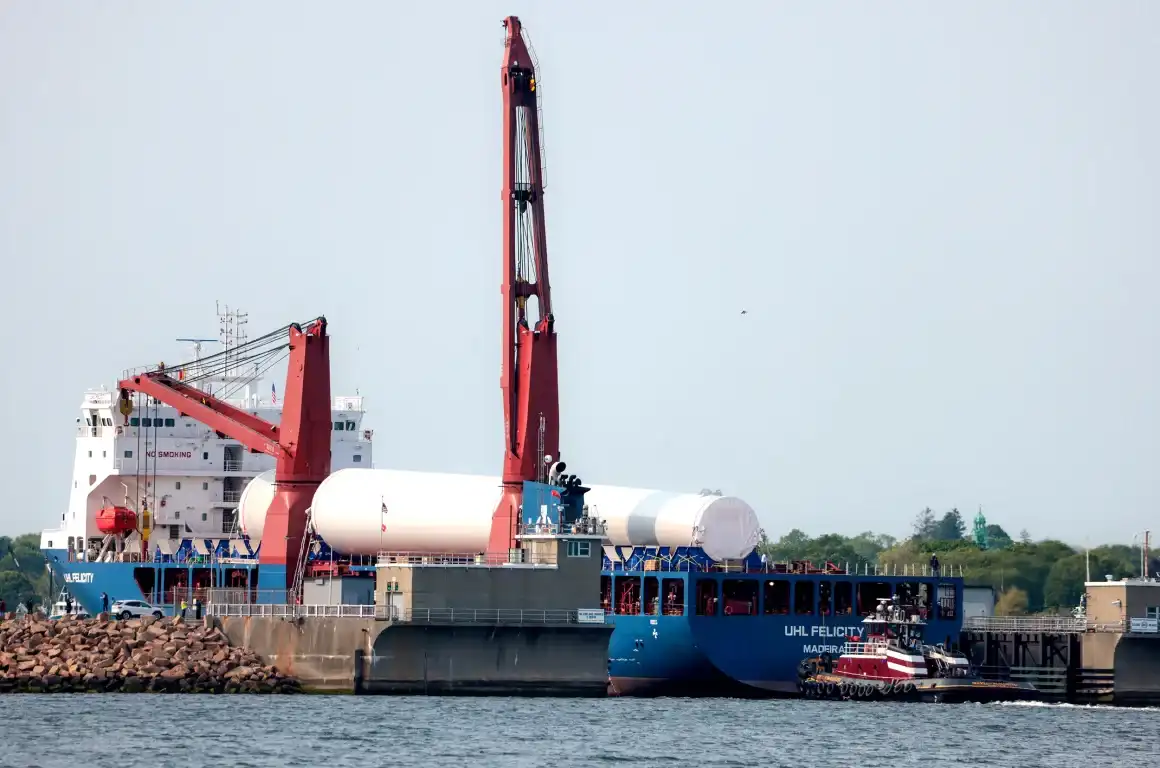
Despite signs of recovery, many of the challenges that stalled progress last year remain. High interest rates, limited supply chains, and drawn-out permitting processes continue to hinder rapid growth. The U.S. also lacks sufficient domestic manufacturing capacity, forcing developers to rely on European suppliers for essential components like turbine blades, generators, and submarine cables — all with increasing lead times.
Adding to the uncertainty is the looming possibility of a second Trump presidency. Trump, a longtime critic of wind energy, has railed against turbines as expensive eyesores and “bird cemeteries.” Yet, according to climate officials and industry leaders, offshore wind has progressed too far to be reversed entirely.
“The steel that’s in the ground — that’s not going to get pulled out,” said Ali Zaidi, President Biden’s top climate adviser. “But if we want to go from startup to runaway success, we’ve got more work to do.”
The 30-Gigawatt Goal: Ambitious, But Attainable?
President Biden has set a target of deploying 30 gigawatts of offshore wind capacity by 2030. While Zaidi remains optimistic, analysts at S&P predict the country will likely reach only half that — around 15 gigawatts — unless more projects are approved quickly and the U.S. gains access to additional installation vessels from Europe.
Permitting and Infrastructure Gaps
The Biden administration has greenlit enough projects to eventually produce 10 gigawatts — enough to power 4 million homes — and the Bureau of Ocean Energy Management (BOEM) plans to hold up to four more lease auctions this year, including in the Gulf of Maine and off Oregon’s coast. These new leases are especially promising for the advancement of floating turbine technology.
Still, from permitting to grid connection, developing offshore wind remains a slow process. Developers must navigate a web of local, state, and federal regulations, while also contending with an immature domestic supply chain.
State-Level Support Bolsters Industry Confidence
One of the most important shifts over the past year has come from the states. Northeastern governors, particularly in New York and Massachusetts, are doubling down on offshore wind to secure reliable energy production for the future.
Rebidding at Higher Prices
New York’s decision to rebid previously canceled wind projects — and accept them at higher costs — was a major turning point. While this means consumers may face higher prices in the short term, it signals long-term commitment from state governments and growing acceptance of the true cost of clean energy during its early scaling phase.
“For many years, there has been no generation being built,” said Pedro Azagra Blázquez, CEO of offshore wind developer Avangrid. “Now governors want to make sure their states have energy.”
Political Winds May Shift — But the Industry Stands Firm
While political uncertainty continues to cast a shadow, industry leaders appear largely unfazed by the prospect of a Trump return. They point to the long-term economic benefits — including job creation and regional investment — as arguments that resonate with policymakers of any party.
- Offshore wind brings billions in infrastructure spending to coastal states.
- The projects create high-paying union jobs in construction, engineering, and logistics.
- They enhance energy security by generating power domestically.
“Our obligation is to work well with any administration,” Blázquez said. “What’s clear is these investments bring economic development, they bring jobs.”
Looking Ahead
Despite headwinds, 2024 could be a breakout year for offshore wind in the United States. With new leases underway, turbine installations increasing, and state-level commitments rising, the foundation for long-term success is beginning to solidify.
Yet, for the industry to thrive, continued collaboration between federal and state governments, the private sector, and international partners will be essential. If that momentum holds, offshore wind may move beyond political cycles — and into the mainstream of American energy.