On Lord Howe Island, Birds Are Burdened by Plastic
On a remote crescent of land nearly 600 kilometers from the Australian coast, scientists are documenting an alarming surge in plastic pollution among seabirds. Each year, tens of thousands of sable shearwaters return to Lord Howe Island to breed, but their chicks are now emerging with bellies so crammed with plastic that their bodies literally crunch when handled. In a recent field season, researchers found a single chick containing 778 pieces of plastic—nearly double the previous record and a level that left experts stunned.

Why Are Seabirds Swallowing So Much Plastic?
The increase is not simply a function of rising ocean pollution. While global plastic waste continues to grow, scientists at Adrift Lab, who have tracked the island’s birds for nearly twenty years, are puzzled by how contamination levels could double in a single year. Most plastic enters chicks when adult birds, mistaking plastic for food, unwittingly feed it to their young. Algae and other organic materials coating the fragments may make plastics smell appetizing to birds.
The problem is especially acute in shearwaters. Unlike other birds, they rarely regurgitate indigestible items unless feeding chicks, causing plastic pieces to accumulate for months or years. Researchers have found everything from bottle caps and cutlery to tile spacers and countless unidentified shards wedged inside the birds’ digestive systems.
Research on Lord Howe: A Unique Natural Laboratory
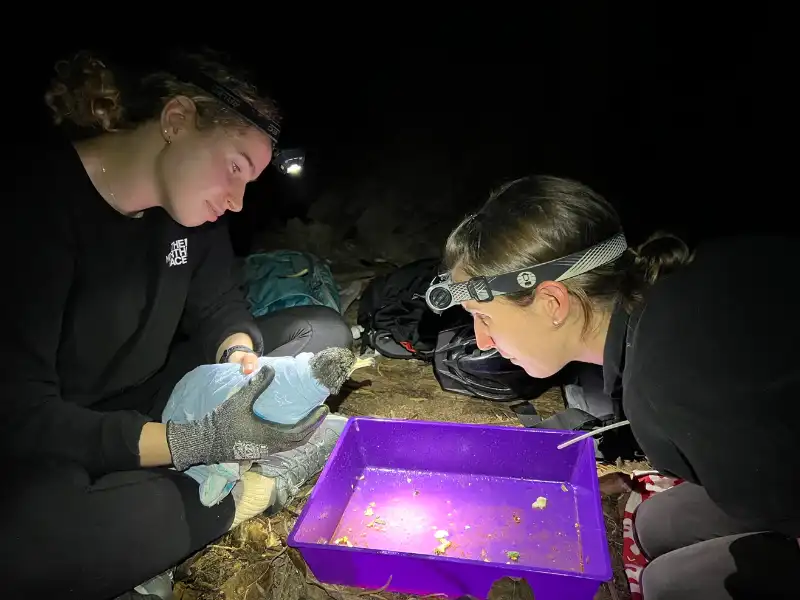
Lord Howe Island’s geography and seabird populations make it ideal for long-term studies. Sable shearwaters return each year to the same breeding colonies, giving researchers a rare chance to track individual birds and measure changes in body mass, wing length, and survival rates over time. Scientists visit during April and May as chicks prepare for their first migration to the Sea of Japan.
Weaker chicks, found emaciated on the beach, are examined in the lab, while healthier ones are gently lavaged to remove plastics from their stomachs before they depart. This process, although uncomfortable, allows young birds to begin migration without the weight and damage of plastic debris inside them.
The Physical Toll: From Scarring to Stunted Growth
Plastic inside seabirds does not always kill immediately, but the effects are severe. Large fragments can lacerate internal organs, while microplastics leach toxic chemicals or simply block digestion. Scientists this year found extensive scarring on kidneys and hearts, as well as signs of neurological damage resembling dementia in chicks. Body mass and wing length have declined over the past decade, and what used to be healthy, heavy birds now rarely reach previous weight benchmarks.
- Plastic often forms a dense “brick” in the stomach, visible and audible during examination.
- Physical damage includes internal scarring, digestive blockages, and stunted growth.
- Some birds show neurological symptoms after ingesting large quantities of plastic.
- Single-use plastic items—like cutlery and bottle caps—are among the most common fragments found.
Plastic Pollution’s Invisible and Deadly Threat
The situation on Lord Howe Island highlights the insidious nature of plastic pollution. While dramatic images of dead seabirds and entangled marine animals draw attention, many impacts are subtle and cumulative, reducing lifespan and reproductive success. Global seabird populations have plummeted by 70 percent over the past half-century, with plastic just one of several converging threats.
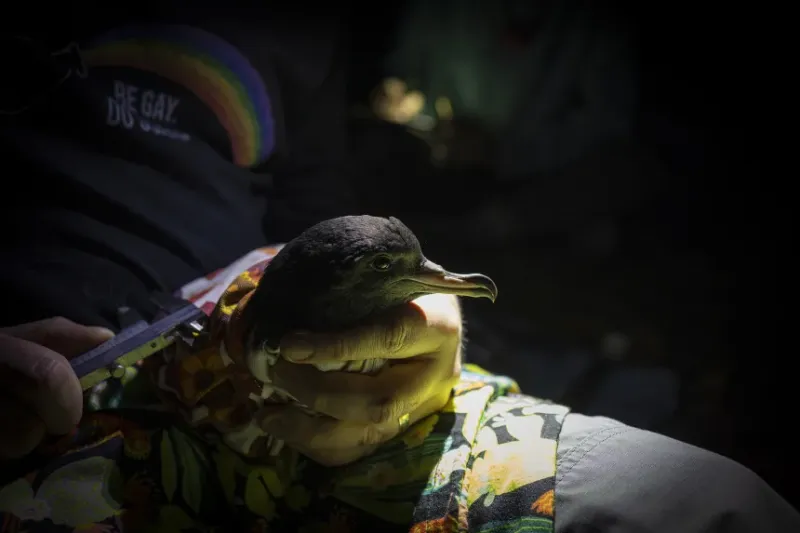
“It’s a crisis, and it’s rapidly worsening,” said marine biologist Jennifer Lavers, still processing the unprecedented levels of plastic in the birds she studies.
The Ocean’s Warning: A Call for Urgent Action
With an estimated 33 billion pounds of plastic entering the oceans each year—equivalent to two garbage trucks’ worth every minute—Lord Howe’s birds are sounding an urgent alarm. As plastic production and use continue to rise, the living laboratory on this small island is making the invisible visible, forcing a reckoning with the true cost of the plastic era.