Before Departure: Steps to Protect Your Baggage
The risk of losing a bag is real, especially during busy travel periods and in the wake of major IT outages. Here’s how to stack the odds in your favor before you check a single bag.
- Book nonstop flights whenever possible. Bags are most often lost during connections, especially if you have a tight layover or are traveling internationally.
- Photograph your luggage and its contents. Lay everything out on your bed and snap a picture before packing. Take a photo of the packed bag, including its brand, color, and any identifying features.
- Use real-time tracking. Most airline apps now allow you to track your bag’s journey. For extra assurance, place a tracker device like an AirTag inside your bag, and make sure you can share access if needed.
- ID your suitcase inside and out. Put your contact information not only on the exterior tag but also inside the bag in case the outside label gets ripped off.
- Travel with carry-ons if you can. Airlines can’t lose a bag you never check. Bring essentials, valuables, and irreplaceable items with you in the cabin.
- Review your credit card travel coverage. Many cards offer compensation for lost or delayed bags, which can cover gaps left by airline policies.
- Consider shipping your luggage. If you’re moving for an extended period or have multiple stops, sending your main bags to your final destination can be cheaper and more reliable.
- If you ship to a hotel or Airbnb, confirm ahead of time that they’ll store your bags until you arrive.
- Discount airlines sometimes lose fewer bags simply because they offer more nonstop routes. Factor this in if you’re worried, but don’t book on this reason alone.

At the Airport: Smart Moves Before Boarding
Once you reach the airport, taking a few extra steps can make a big difference if something goes wrong later.
- Check your bags early, not at the last minute. Last-minute check-ins increase the risk of bags missing your flight.
- Keep jewelry, electronics, cash, and other valuables in your carry-on. Never put them in checked bags.
- Double-check your baggage tag and claim ticket. Make sure the tag lists the right destination, and save the baggage claim ticket or sticker.
If Your Luggage Is Delayed
Arriving at the carousel and not seeing your bag is stressful, but you have options.
- Check nearby carousels and the airline baggage office. Sometimes bags are rerouted or delayed but still at the airport.
- Report the delay immediately. Fill out all required forms at the airport, not at home. Many airlines can locate your luggage quickly and may be able to deliver it to your hotel or address.
- Ask about delivery service. If your bag is coming in on a later flight, arrange for it to be delivered so you don’t have to return to the airport.
- Keep every receipt for essentials you purchase while waiting for your bag. You may need these for reimbursement later.
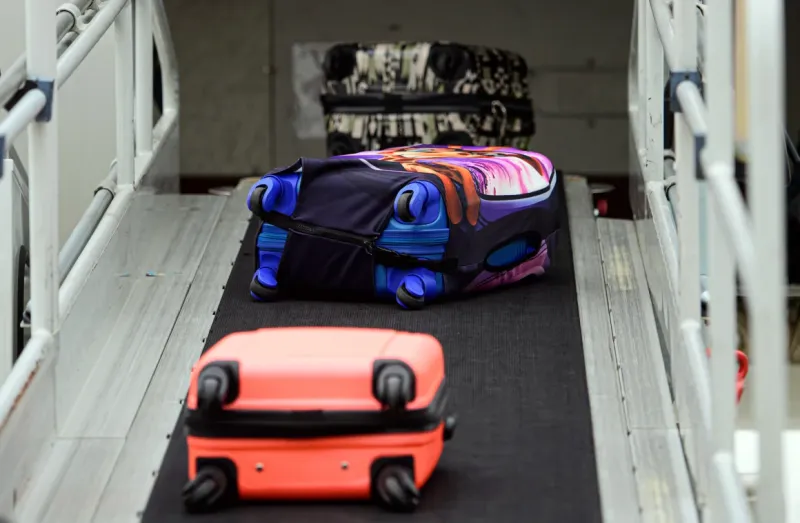
When Luggage Is Lost, Damaged, or Stolen
If your bag is truly lost or arrives damaged, act quickly and document everything.
- File a claim at the airport. Go to the airline’s baggage office before you leave. Airlines often require claims to be submitted in person.
- Check the airline’s policy. Every carrier has its own process for compensation and documentation. The maximum payout for domestic U.S. flights is currently $3,800; for international, around $1,700. You’ll need photos, claim forms, and receipts.
- For damaged luggage, report the issue before leaving the airport. Airlines typically cover damage to wheels, handles, and straps, but not poor packing or restricted items (fragile items, cash, perishables, etc.).
- If you’re not getting results, escalate your complaint. In the U.S., file a formal complaint with the Department of Transportation. For UK and Canadian flights, check their respective regulatory bodies and websites for instructions.
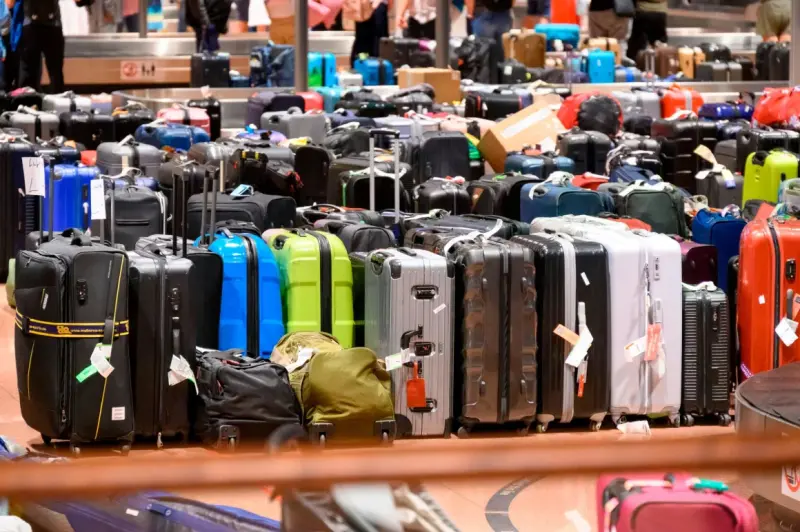
Baggage Insurance and Next Steps
Insurance can ease the headache when something goes wrong. There are two main types: baggage delay and baggage loss. If you purchased travel insurance, or if your credit card provides coverage, follow their claims process in addition to the airline’s. Always keep your documentation organized: photos, receipts, forms, and communication records.
Key Reminders for Every Traveler
Every step you take to prepare—photographing your bags, using trackers, and packing valuables in your carry-on—reduces your risk and increases your chances of quick resolution if trouble strikes. Be proactive and organized: it’s your best defense against luggage disasters.