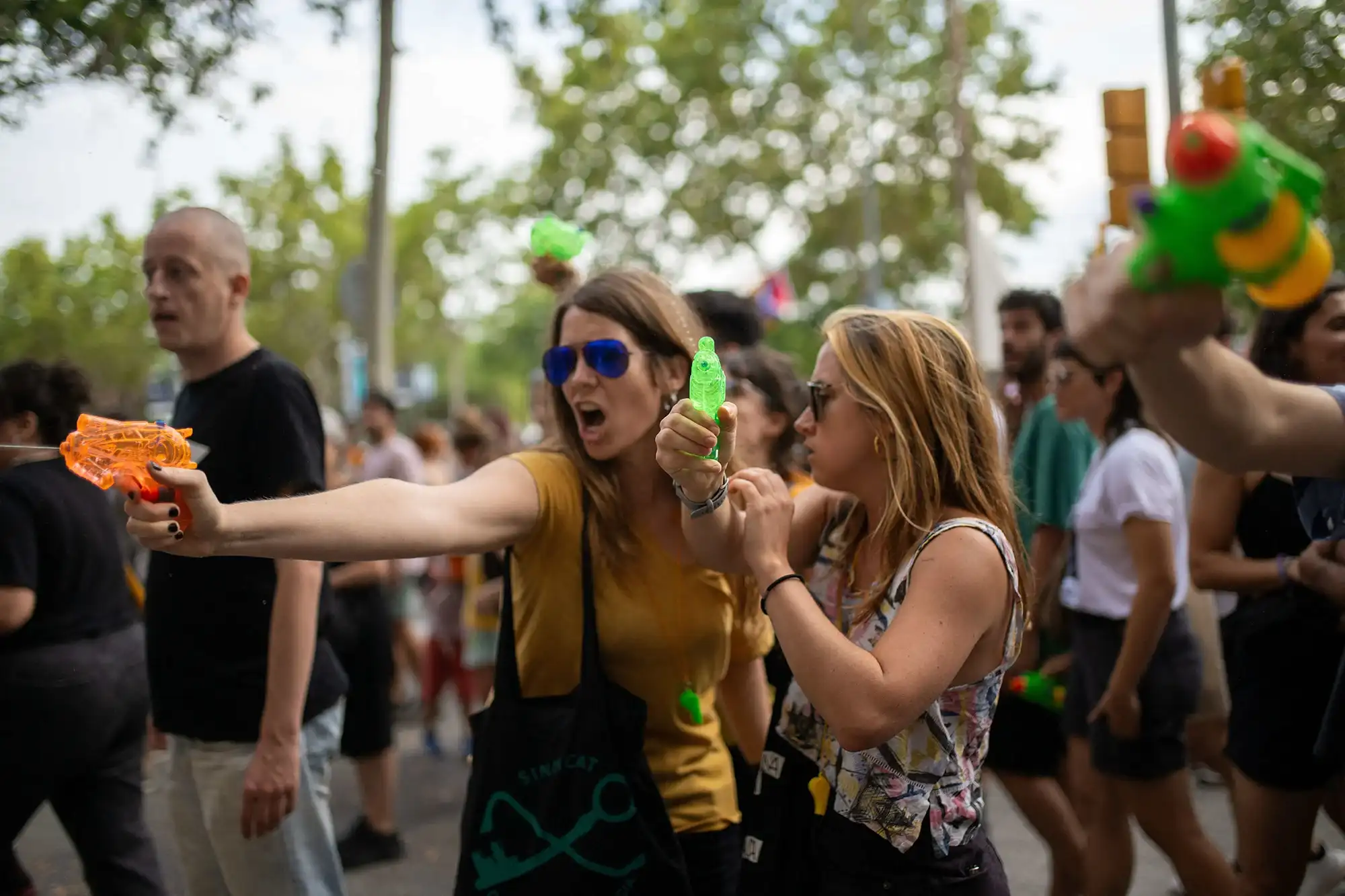

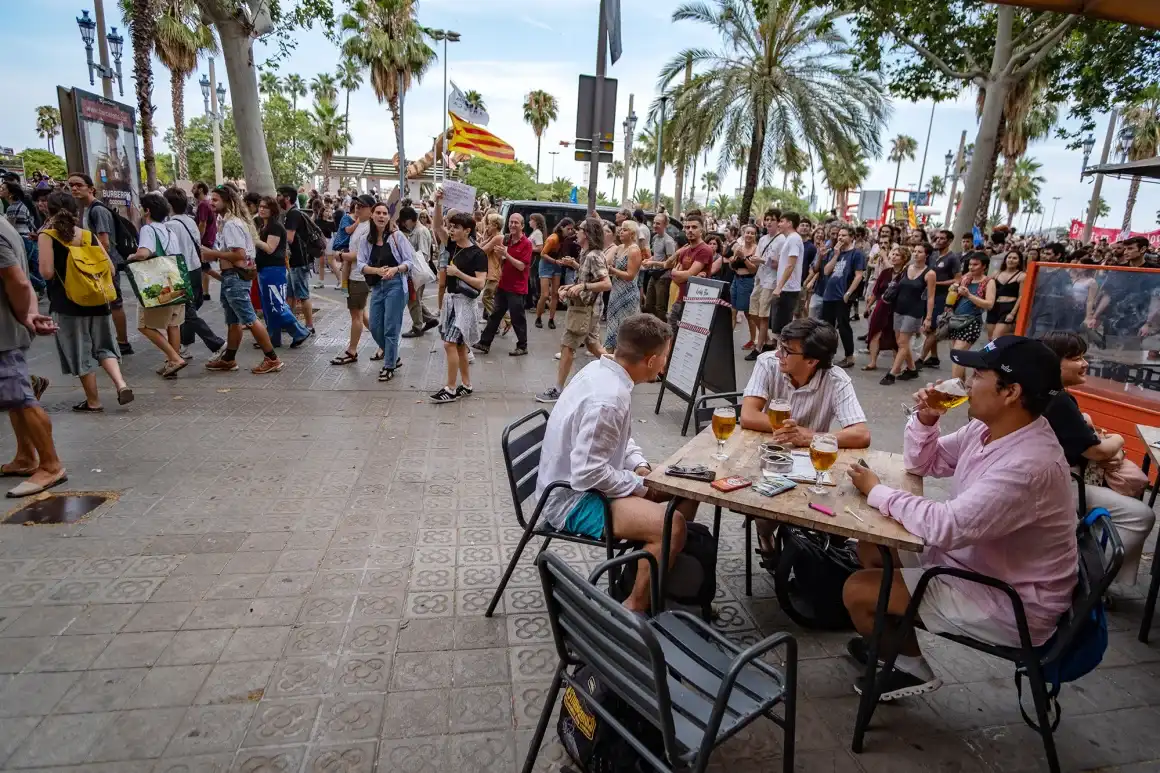
Barcelona has long been a magnet for global travelers — drawn by its sunny coastline, unique architecture, and Mediterranean charm. But in 2024, the city made international headlines for all the wrong reasons. Images of locals squirting unsuspecting tourists with water pistols on busy café terraces went viral, becoming a symbol of rising frustration in a city grappling with the unintended consequences of its global appeal.
A City Under Pressure
The toy gun protest might have seemed playful, but it marked a tipping point. With tourism now accounting for 14% of Barcelona’s economy and supporting 150,000 jobs, the challenge isn’t about rejecting tourism entirely — it’s about managing it sustainably.
The Summer That Sparked Backlash
Last July’s protest, which saw thousands of residents chant “tourists go home,” was more than a local outburst. It reflected a growing resentment among citizens pushed to the margins by a booming tourism industry. Soaring rents, crowded streets, and the loss of neighborhood character have led many to question whether the benefits of mass tourism still outweigh the costs.
From Olympic Legacy to Overload
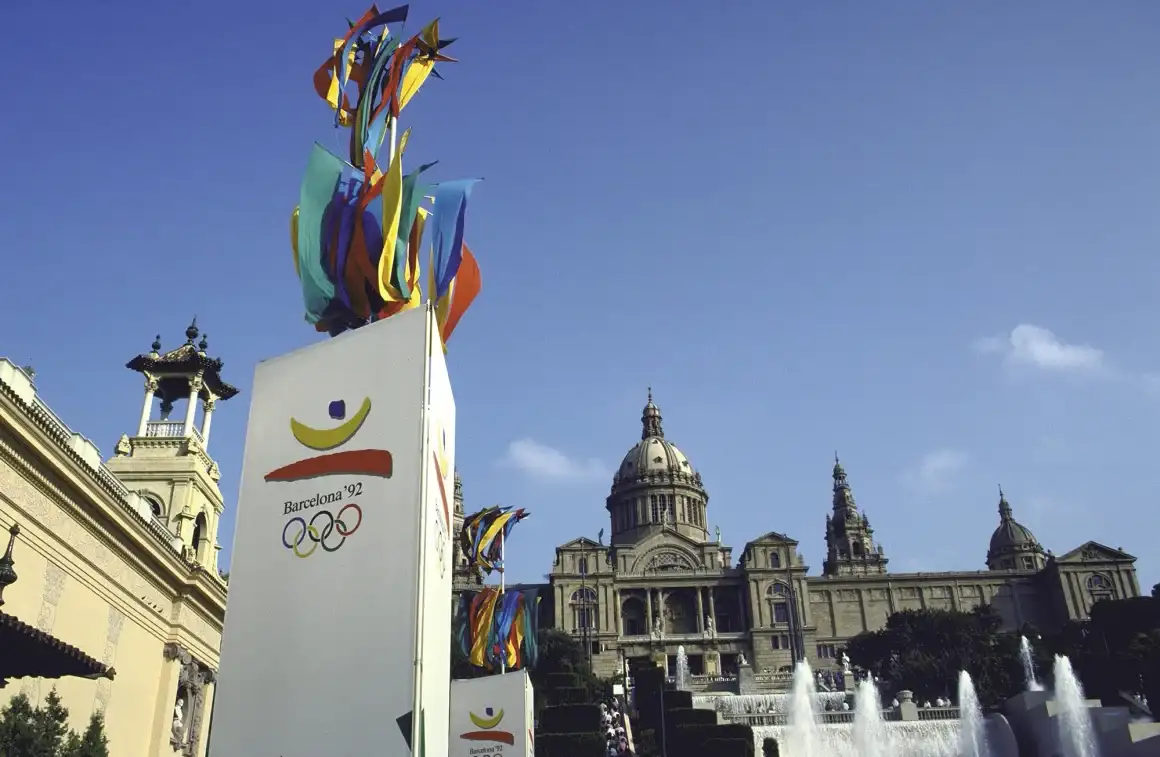
Barcelona’s rise as a top tourist destination began with the transformative 1992 Olympics. Urban renewal projects revitalized the city, opening it to the sea and the world. Tourism steadily grew from 4.5 million overnight stays in 2004 to over 16 million in 2019. But that success has now become a burden.
Post-Pandemic Rebound and New Warnings
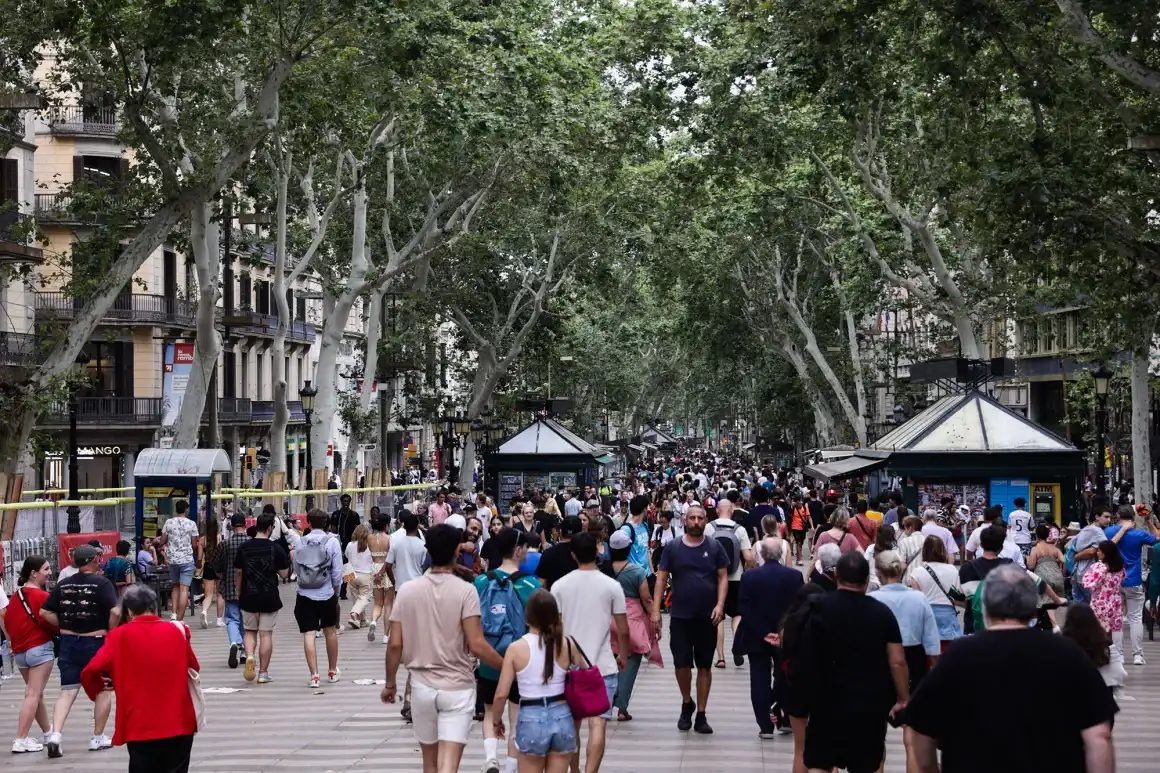
After the pandemic lull, 2024 saw 15.5 million overnight tourists. While slightly below the 2023 peak, the numbers remain staggering for a city of just 1.7 million residents. Add to that over 1.6 million cruise passengers in transit, and the daily impact becomes visible — especially in areas like La Rambla and the Gothic Quarter.
Strained Infrastructure, Strained Tempers
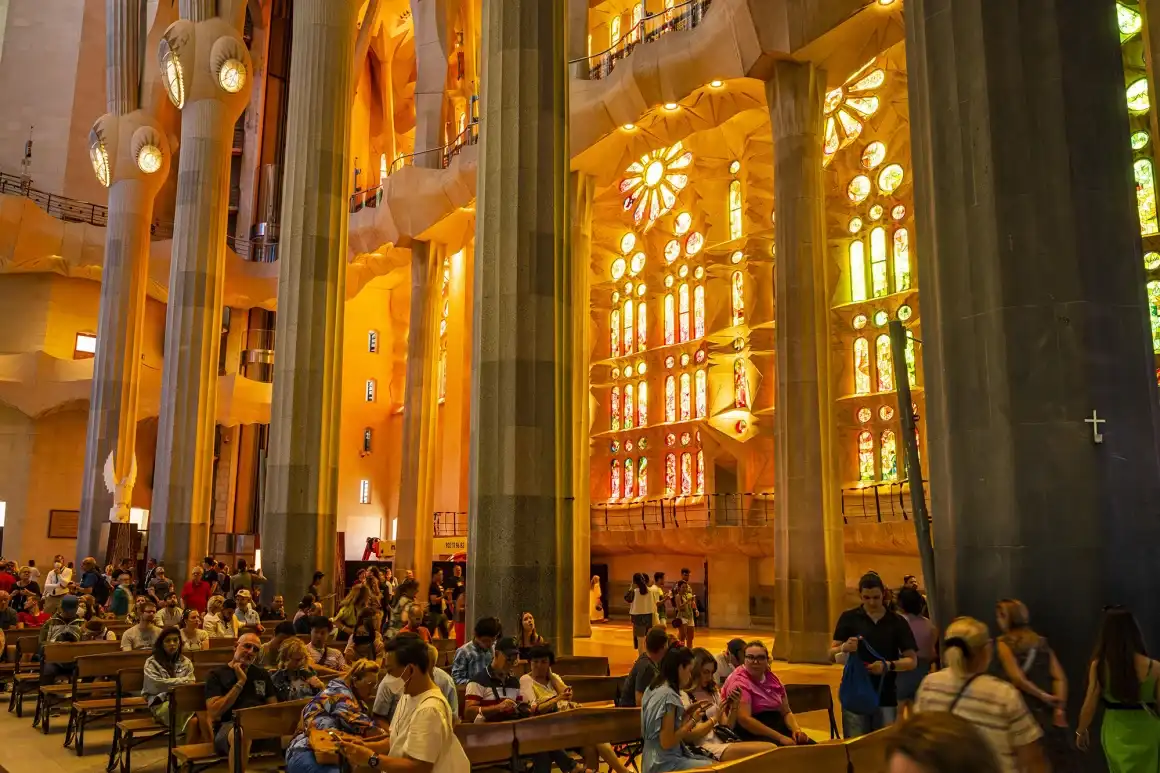
One area that’s become emblematic of overtourism is the neighborhood around the Sagrada Familia. With 50,000 residents and up to 50,000 tourists passing through each summer day, the strain is palpable. “Everyone is welcome,” said Deputy Mayor Jordi Valls. “But there’s a limit.”
Controlling the Flow
Barcelona has introduced foot traffic sensors on La Rambla and around the port to better understand crowd patterns. Tourist tax proposals have also emerged — including a plan to double the nightly fee to over 15 euros. Revenue would partly go toward alleviating the housing crisis caused in part by the explosion of short-term rentals.
- Average rents have surged 68% in a decade
- 60,000 of Barcelona’s 152,000 tourist beds are in short-term apartments
- Permits for 10,000 such units are set to be revoked by 2028
Mixed Messages and Missed Opportunities
While the government hopes these actions will relieve pressure, critics argue they don’t go far enough. Daniel Pardo from the Assembly of Neighborhoods for Tourism Degrowth calls the tourist tax a “symbolic gesture” that legitimizes an industry many locals want to scale back.
Redesigning the Experience
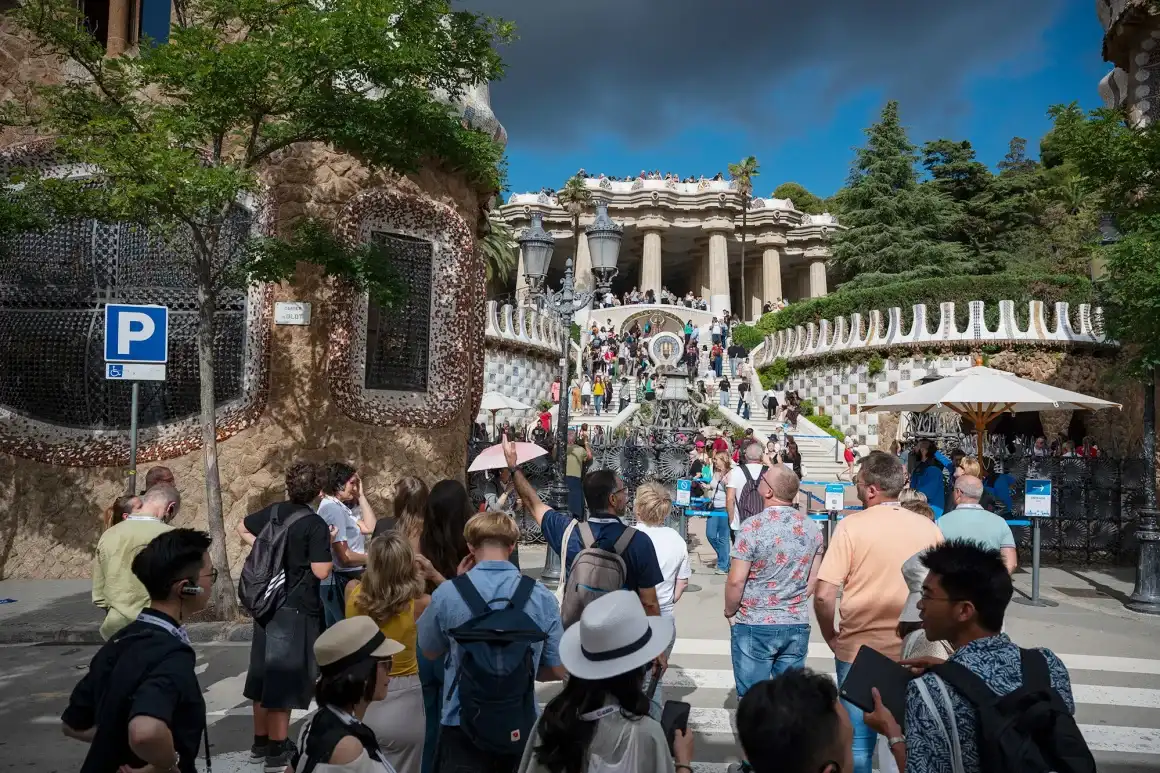
Some changes are already underway. At Park Guëll, entrance fees have nearly doubled to limit daily visitors. Tour buses and taxis have been redirected. Sagrada Familia’s surroundings are being restructured to create more space for locals. And at La Rambla, city workers are widening pedestrian zones while trying to push out low-quality tourist shops and fast food chains.
New Cruise Terminal Raises Old Fears
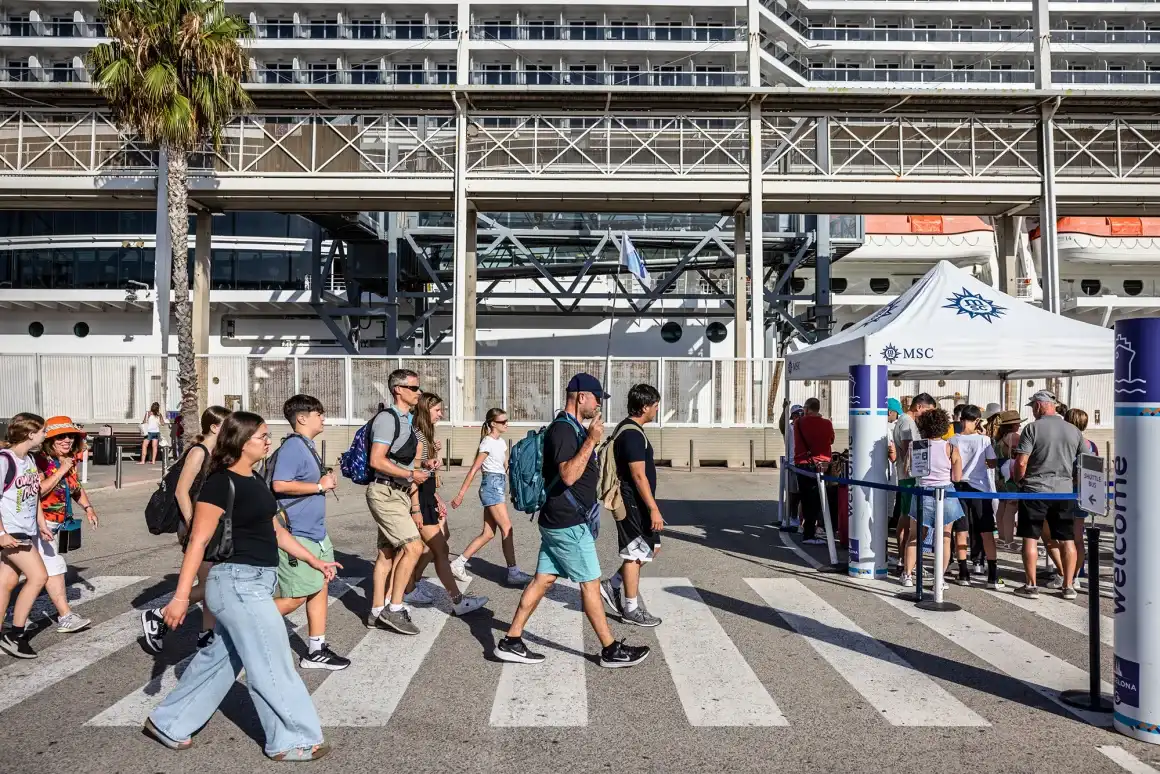
In February, a seventh cruise terminal opened exclusively for MSC Cruises, reigniting fears about port congestion. MSC insists it’s reducing its overall presence in Barcelona by closing three older terminals, but the company holds a 30-year concession at its new site. City officials aim to reduce total terminals to five by 2029, though the transition may prove politically complex.
A Model for the World — or a Warning?
Barcelona’s journey offers lessons for other global cities struggling with overtourism. Its efforts to balance economic growth with local quality of life are still evolving — and will be closely watched as the summer season approaches.
A City in the Spotlight
For many visitors, Barcelona remains a bucket-list destination. But for residents, the question is no longer just about how many tourists come — it’s about whether the city can remain livable for those who call it home. As Deputy Mayor Valls put it, “There will be more tourists. But we have to make room for those who live here, too.”