


ChatGPT’s latest update is generating more than just pictures — it’s generating heat. Literally. According to OpenAI CEO Sam Altman, the company’s GPUs are “melting” as users flood the platform’s new AI image generation tool, released this week to massive demand. And it didn’t take long for one particular aesthetic to dominate: Studio Ghibli-style creations.
Studio Ghibli Aesthetic Takes Over
Within hours of launch, users began flooding social media with whimsical, dreamy scenes inspired by the iconic art style of Studio Ghibli — known from films like My Neighbor Totoro and Spirited Away. Even Altman himself jumped on the trend, changing his X (formerly Twitter) profile photo to a Ghibli-esque rendering of himself.
Why Ghibli? And Why Now?
The visual style of Ghibli — painterly, emotional, deeply organic — is a natural fit for AI art, which thrives on vivid, recognizable aesthetics. But the choice has also stirred controversy. Critics, including tech journalist Brian Merchant, pointed out that Ghibli co-founder Hayao Miyazaki has long denounced AI art, calling it “an insult to life itself.”
High Demand Triggers Rate Limits
As excitement surged, OpenAI was forced to impose temporary rate limits to manage demand. Altman cited overheating hardware and system load as reasons for the slowdown, though no actual GPUs were harmed in the process. The tool is available to all users — both free and paid — but premium subscribers still enjoy faster, more frequent generations.
Free-tier users may soon be capped at just three image generations per day, though OpenAI hasn’t announced an official start date for that limitation.
What Makes ChatGPT’s Image Tool Different?
Previously, users had to rely on OpenAI’s standalone image tool, DALL·E. While DALL·E remains available and popular, the integration of image generation directly into ChatGPT brings a new level of convenience and conversational interaction — plus the ability to make on-the-fly edits by simply describing changes in text.
Text, Diagrams, and Work-Ready Graphics
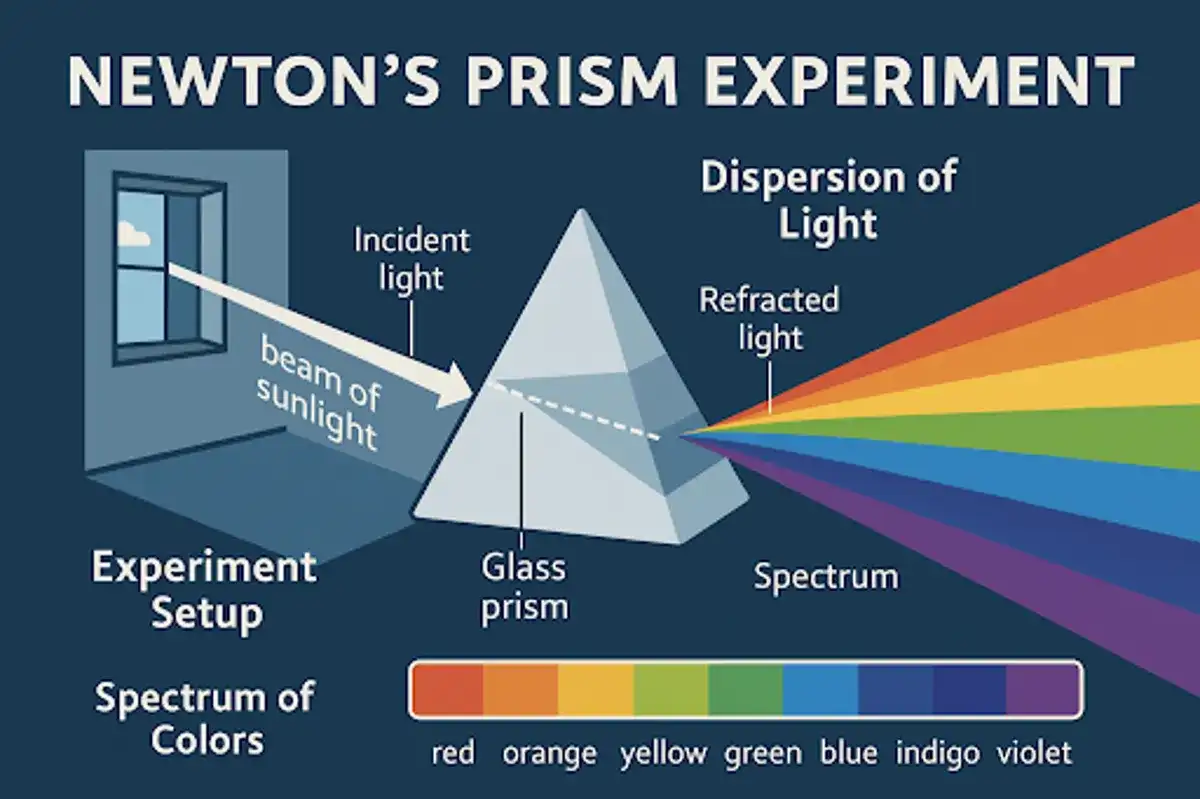
ChatGPT’s 4o model isn’t just focused on art. It’s designed to create practical visuals like infographics, charts, and labeled diagrams. OpenAI says it’s improved the model’s text rendering — a notoriously difficult challenge for AI — though issues still persist, especially with cropped text, multilingual characters, and complex data visualizations.
Editing Limitations Remain
Despite the excitement, the tool isn’t perfect. ChatGPT’s image editor can struggle with nuanced requests, such as editing specific parts of an image — like tweaking facial features without losing other elements. Cropping inconsistencies and occasional hallucinations (yes, 11-fingered hands are still a thing) can also disrupt results.
OpenAI has pledged to address these issues and hinted at a wave of improvements coming soon.
Transparency and Safety
Images generated within ChatGPT won’t display watermarks, but they do include C2PA metadata — an industry-recognized digital tag that identifies the image as AI-generated. OpenAI also confirmed it’s applying the same content moderation policies to images as it does across its 4o model, including stricter filters on nudity and graphic content.
How to Use the New Image Generator
If you’re ready to try it out yourself, here’s how to access the feature:
- From the ChatGPT homepage, click the three dots next to “Search” or “Deep research,” then select “Create image.”
- Describe your desired image in the chat bar and hit send. Want to make changes? Just describe them like you would to a human editor.
- When your image is ready, download it by clicking the arrow icon in the top right corner.
Pro Tip
Want better results? Provide a source. Including URLs or reference material helps the model generate more accurate visual content.
Looking Ahead
While early reactions to ChatGPT’s image generation have been overwhelmingly positive, the feature is still evolving. OpenAI promises continued development, including more precise editing tools and better support for multilingual text and technical illustrations.
In the meantime, expect to see more dreamy AI Ghibli art — and a lot more heat in the server room.


