
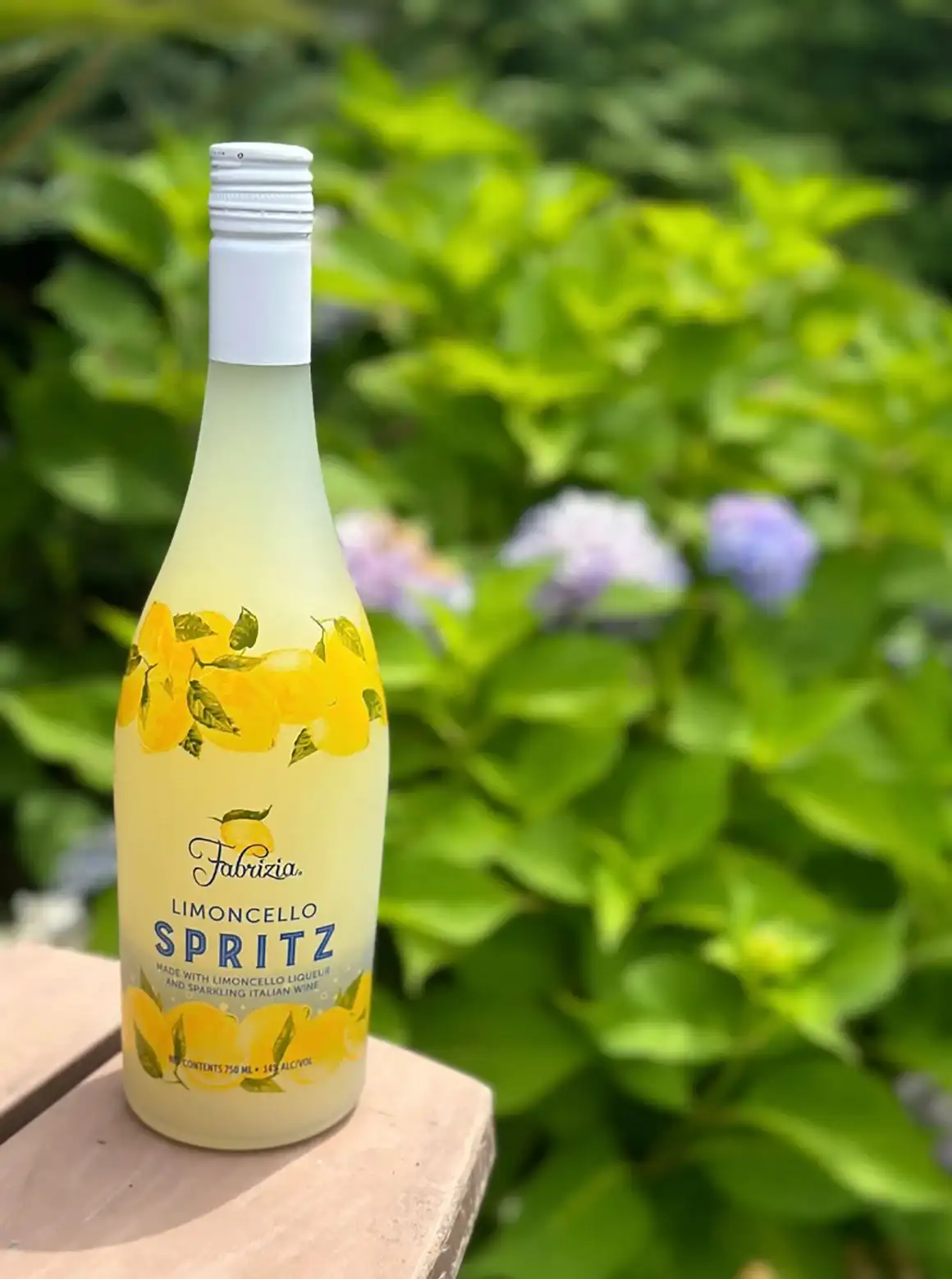
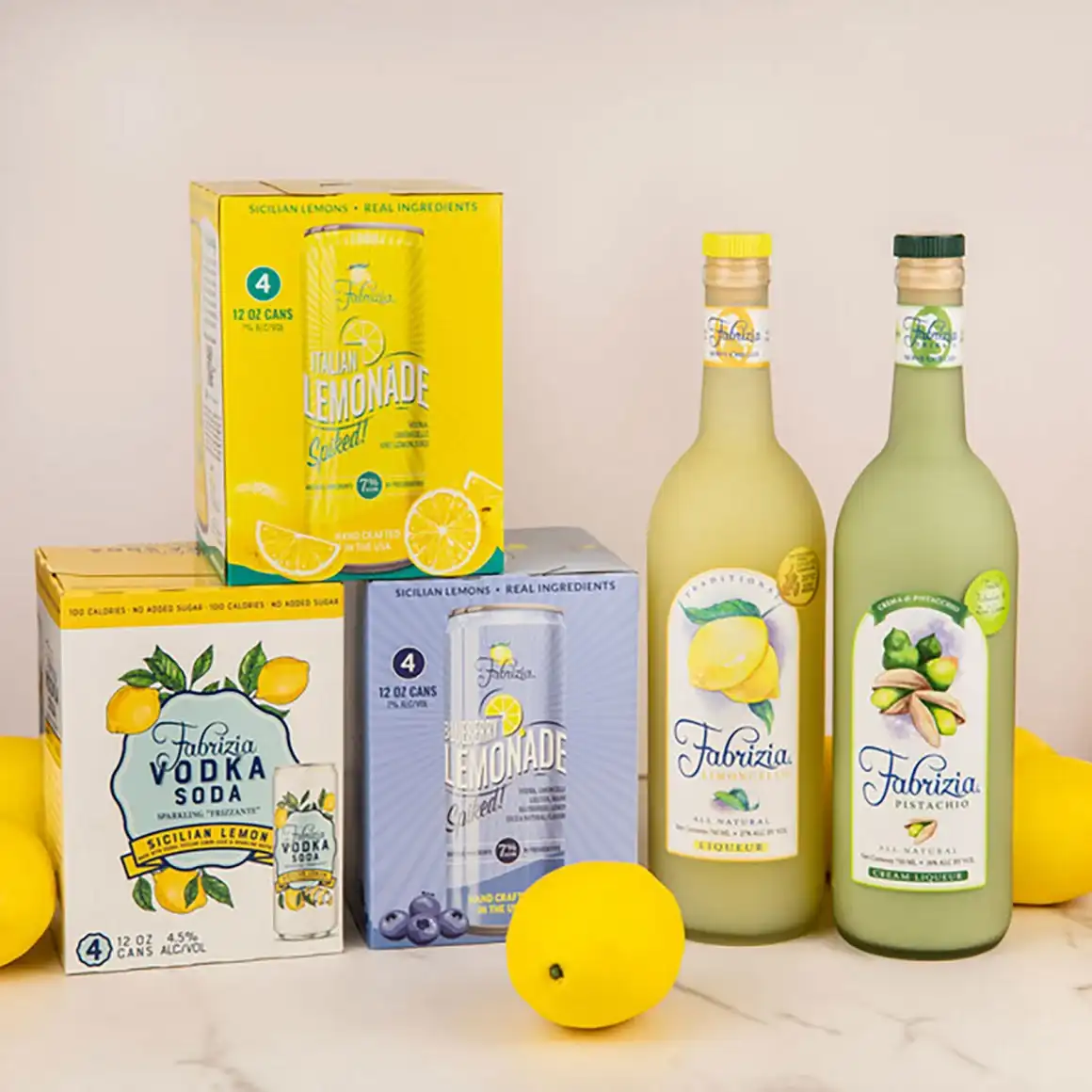
A single shipment of sparkling wine could become a financial nightmare for one New Hampshire-based company. Fabrizia Spirits — the largest U.S. producer of limoncello — is anxiously awaiting the arrival of a $35,000 order from Sicily. But if President Trump enforces a threatened 200% tariff on European alcohol, that shipment could come with a $70,000 price tag in duties alone.
Uncertainty on the High Seas
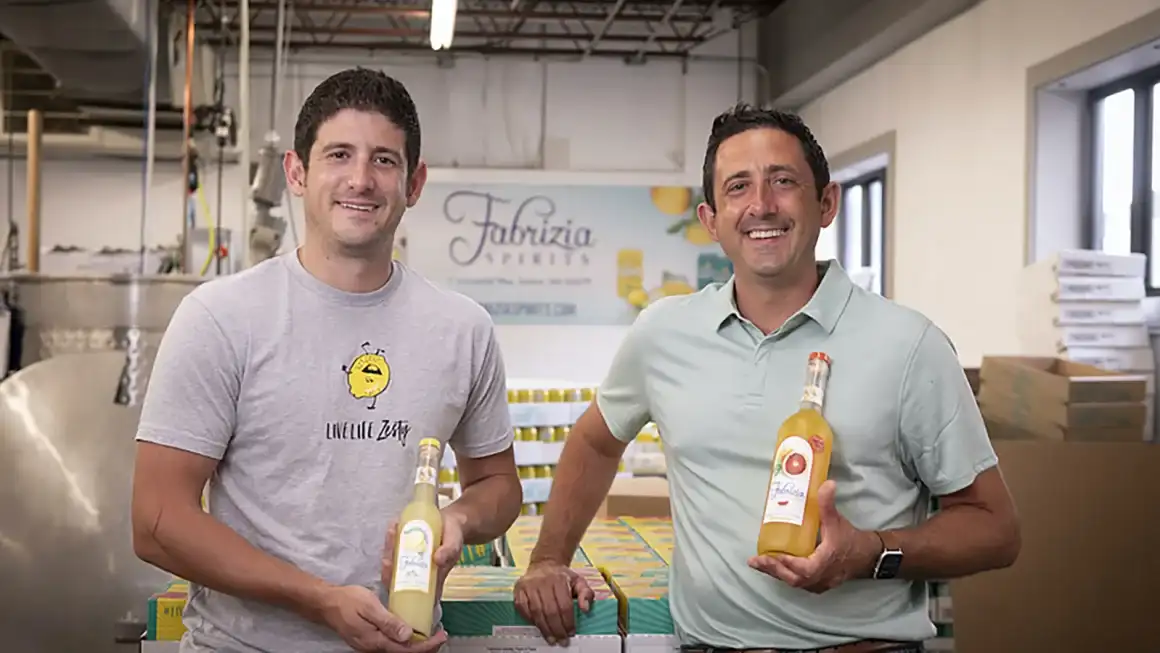
What began as a routine import — wine for Fabrizia’s new limoncello spritzer — is now tangled in international politics. The trade war between the United States and its allies has escalated, and small business owners are increasingly caught in the crossfire. At the center of this particular storm is Phil Mastroianni, co-founder of Fabrizia Spirits, who is suddenly being forced to consider contingency plans that were unthinkable a few months ago.
Contingency Planning for a Trade Nightmare
Among the drastic options? Diverting the shipment outside of U.S. borders. “We’ve even thought, ‘Maybe we’ll just turn the thing around and say take it back,’” said Mastroianni. Alternatives include offloading in another country to avoid tariffs — a costly and complex process involving third-party storage and logistics. Though Fabrizia could absorb the potential loss, it would mean budget cuts elsewhere — likely in marketing and staffing.
The company is not standing still. Fabrizia has joined “Toasts Not Tariffs,” a coalition of small businesses lobbying to exclude wine and spirits from escalating trade tensions between the U.S., EU, and UK.
A Family Business at Risk
Founded in 2009 by Phil and his brother using a family recipe, Fabrizia Spirits has grown from a garage operation into a national brand. The company uses 1 million lemons annually — all sourced from a single family in Sicily — to craft limoncello and canned cocktails. That tight reliance on European imports makes them particularly vulnerable to new tariffs.
The Ripple Effect on American Wine Exports
While Fabrizia worries about what’s coming in, others in the U.S. alcohol industry are concerned about what they can no longer send out. Natalie Collins, president of the California Association of Winegrape Growers, says the uncertainty has already frozen contracts across wine country. Growers in Napa and Sonoma are seeing fewer commitments from buyers, and decisions about pruning or planting are being made without any confidence in future sales.
Canada: Once a Boon, Now a Barrier
One Sonoma winery told CNN it has hundreds of cases of wine destined for Canada — complete with country-specific glass and labeling — sitting idle in a warehouse. Trade tensions have forced Canadian retailers to pull U.S. wines from shelves, cutting off what was previously the United States’ largest wine export market. Canada accounted for 35% of all U.S. wine exports, totaling $435 million.
This blow comes as California vintners are already grappling with shrinking demand from younger, health-conscious consumers, increased inflation, and climate-related challenges. Compliance costs for grape growers in California have also ballooned — up 64% in just seven years.
Tariffs as Equalizer — or Wrecking Ball?
Collins acknowledges one potential upside to tariffs: they could help American wines compete against heavily subsidized European producers. But she remains cautious, emphasizing that even temporary tariffs have long-term consequences. “Damage is already done,” she noted, referencing stalled contracts and paralyzed export operations.
Consumers React with Their Wallets
The mere announcement of potential tariffs sent American wine lovers scrambling to stock up. Vivino, a popular wine delivery platform, reported a 30% surge in French and Italian wine sales after the White House floated the 200% tariff idea. Wine.com also saw a sharp shift, with 72% of recent sales coming from imported wines, up from a previous 60%.
Changing Habits, Fading Jobs
Wine.com founder Michael Osborn warns that these changes will ripple beyond retailers. “Restaurants will lay off sommeliers because there isn’t any point… if half the wine that you have on your wine list isn’t affordable for consumers anymore.”
He also questioned whether domestic wines can truly replace European imports. “There’s not a lot of interchangeability,” Osborn said. “These are unique growing regions that don’t have a corollary necessarily.”
Waiting on the Deal Maker
Back at Fabrizia Spirits, Mastroianni remains hopeful that the tariffs won’t materialize — or at least not at full force. “I think one thing that’s clear is President Trump is a dealmaker,” he said. “We’re hoping the 200% tariff is just a negotiating chip.”
For small producers and exporters, though, the stakes are enormous — and they’re rising by the day. Until clarity arrives, the wine sits on the ocean and the industry holds its breath.