


In the heart of Tanzania’s Olduvai Gorge — a site long revered for its deep ties to human evolution — archaeologists have unearthed a cache of bone tools that are rewriting the timeline of our ancestors’ technological prowess. The tools, carved from the bones of massive animals such as elephants and hippopotamuses, date back 1.5 million years — making them the oldest bone tools ever discovered by nearly a million years.
Uncovering a Hidden Chapter of Human Prehistory
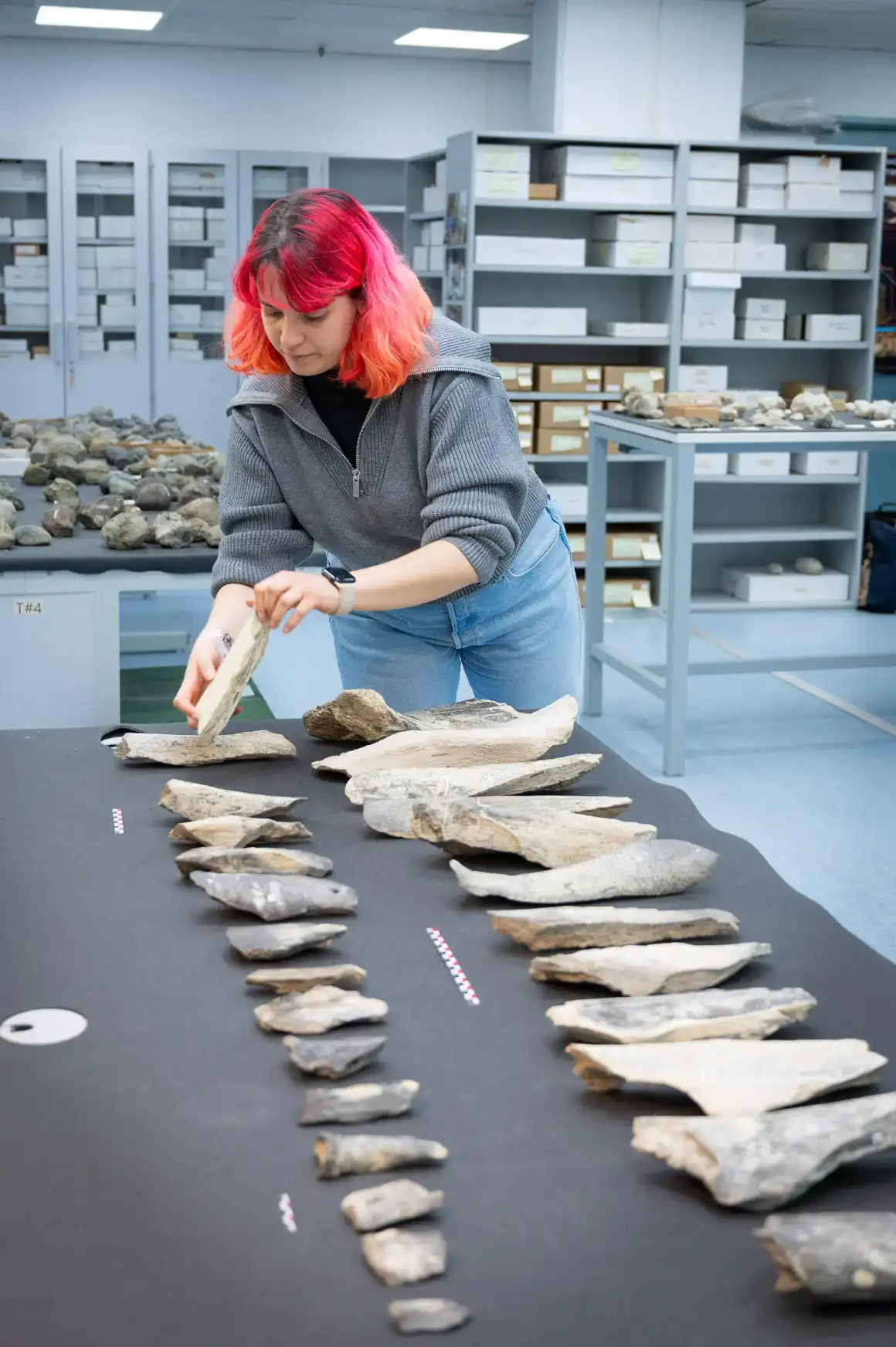
The groundbreaking find, detailed in a study published in the journal Nature, includes 27 shaped bone fragments — primarily long bones — that show deliberate crafting using stone implements. Most of the tools were located in a gully within Olduvai Gorge, a place often referred to as the “Cradle of Humankind.”
Systematic Craftsmanship and Cognitive Evolution
Unlike earlier sporadic finds of bone tools, these items appear to have been crafted using the same techniques applied to stone tools — a deliberate and systematic process. The precision of the work suggests advanced cognitive abilities in early hominins. “They weren’t just reacting to their environment — they were innovating,” said Dr. Ignacio de la Torre, lead author of the study and co-director of the Olduvai Gorge Archaeology Project.
De la Torre believes this innovation represents a pivotal shift in hominin development. “These tools show a level of abstract thinking, a capacity to transfer learned skills from stone knapping to bone,” he said.
Olduvai Gorge: A Treasure Trove of Ancient Innovation
Olduvai Gorge has yielded some of the earliest known stone tools, dating back 3.3 million years. It has also revealed remains of hominins such as Homo habilis, Homo erectus, and early Homo sapiens. This new discovery adds a vital layer to our understanding of hominin innovation during the Oldowan and Acheulean technological periods.
Stone and Bone: A Technological Transition
During the Oldowan era (2.7–1.5 million years ago), early humans used basic stone tools created by chipping flakes from rocks. These tools evolved into more sophisticated forms during the Acheulean period around 1.7 million years ago, with the creation of almond-shaped hand axes requiring advanced knapping skills. The bone tools now uncovered suggest this technical leap wasn’t limited to stone alone.
The Tools and Their Origins
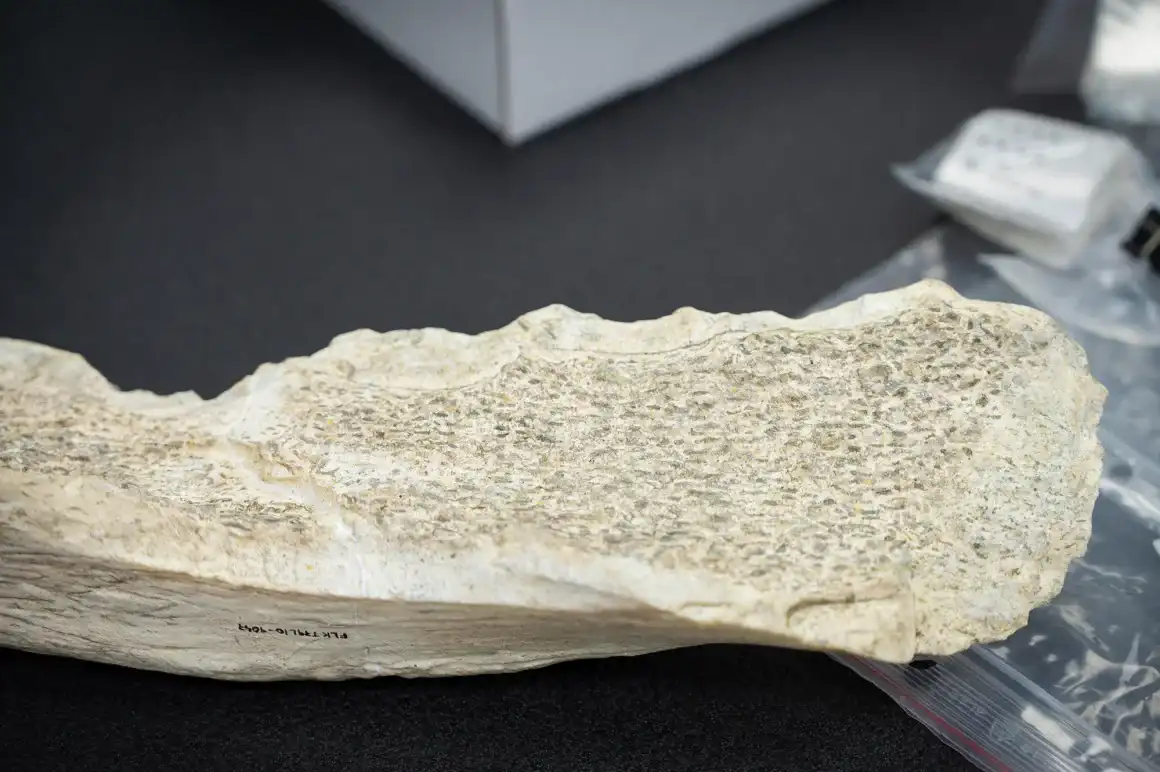
Each of the 27 bone tools was crafted from dense limb bones, predominantly from elephants and hippos — animals abundant in the East African landscape during that time. The tools ranged in size, with the largest made from elephant bones measuring up to 15 inches (38 centimeters) long.
Signs of Purposeful Design
Detailed analysis revealed that the bones had been chipped to form functional edges. Dr. Renata Peters of University College London emphasized their significance: “These weren’t incidental modifications. They were carefully shaped using a process nearly identical to stone knapping.”
The tools likely served various purposes — from butchering animals to producing other tools — although no direct use-wear evidence has been found yet. Still, their form and context strongly suggest practical application in daily life.
A Missing Piece of the Puzzle
While no hominin remains were found alongside the tools, researchers believe either Homo erectus or Paranthropus boisei — both known to inhabit the area — may have been responsible for the craftsmanship. The abundance of carcasses in the region may have offered a convenient raw material for experimentation with non-stone tools.
Organic Tools in a Fragile Archaeological Record
One reason bone tools are rarely found is that organic materials like bone deteriorate more easily than stone. This makes discoveries like the Olduvai cache exceptionally rare — and exceptionally valuable.
Global Impact and Future Directions
Other bone tools have been found at later sites in Europe and Asia, but rarely in such quantities or of such antiquity. The implications for understanding human evolution are profound.
“The fact that we’ve found not just one or two, but 27 bone tools indicates mass production,” said Dr. Jackson Njau, a coauthor of the study and Tanzanian archaeologist. “It shows early humans were expanding their toolkit beyond stone much earlier than we believed.”
Revisiting Collections with New Eyes
Experts like Dr. Briana Pobiner of the Smithsonian Institution believe this discovery opens the door for reevaluating existing museum collections. “These tools were once archaeologically invisible. Now that we know what to look for, it may change how we view early human ingenuity.”
Shaping the Past, Shaping the Future
As excavations at Olduvai Gorge continue, the team hopes to find further evidence to confirm the toolmakers’ identity and to better understand how this bone technology influenced later cultural advancements. For now, the discovery has already begun reshaping our narrative of early human behavior — and the remarkable minds behind it.


